
Good Manufacturing Practices (GMP)
In todays highly regulated and fast-evolving pharmaceutical landscape, Good Manufacturing Practices (GMP) are not just compliance checkboxes, they are the backbone of trust, safety, and global patient confidence.
With increased outsourcing, complex chemistries, and global supply networks, GMP has shifted from a regulatory obligation to a strategic differentiator.
GMP = Patient Safety First
At its core, GMP ensures medicines are consistently produced and controlled to the highest quality standards.
Key elements include:
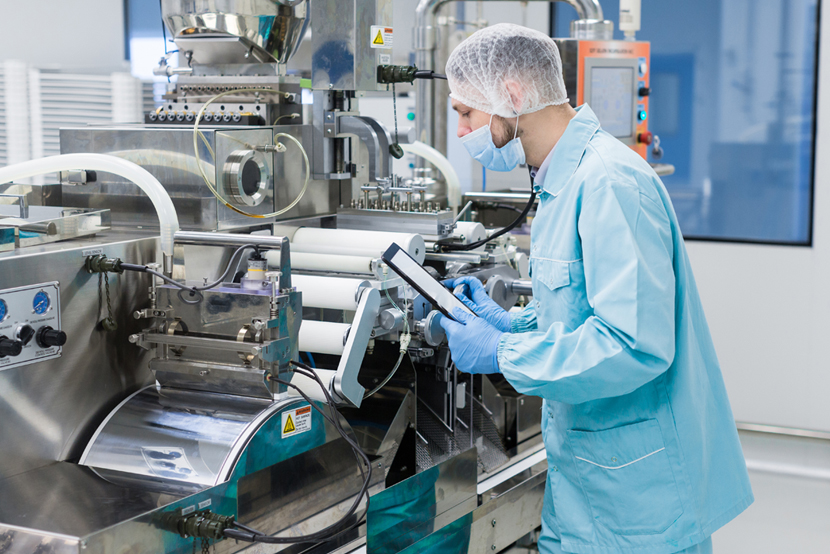
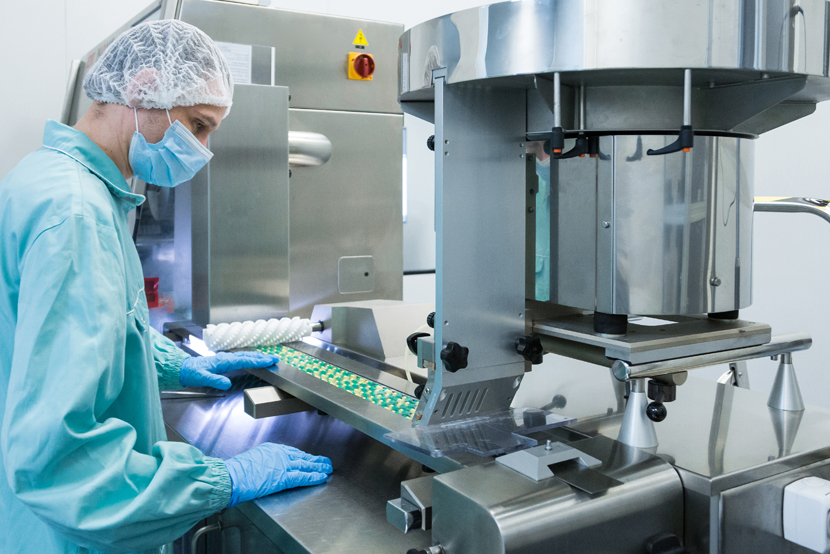
- Clean, controlled facilities
- Qualified equipment & trained personnel
- Documented and traceable processes
- Robust quality systems & data integrity
The result: safe, reliable medicines that patients and healthcare systems can trust.
Global Markets Demand Global Standards
Entering regulated markets like the US, EU, Japan, and emerging regions requires strict GMP compliance. Manufacturers now prepare for multi-agency inspections, from USFDA and EDQM to WHO and local authorities. A globally aligned GMP system gives companies the freedom to operate across borders.
Beyond Compliance: A Culture of Quality
Modern GMP is not just SOPs and checklists, its mindset and discipline.
Successful companies embed:
- Quality-by-Design (QbD) in development
- Risk-based thinking using ICH Q9 principles
- Continuous training & capability building
- Proactive deviation and CAPA management
Quality culture = business durability + brand trust.
Digital GMP Systems Are Becoming the New Norm
The shift to smart manufacturing is accelerating:
- Electronic Batch Records (EBR)
- Digital Quality Management Systems (eQMS)
- Data integrity and audit-trail tools
- PAT & online monitoring systems
Digital GMP is not optional, its key to speed, traceability, and right-first-time execution.
GMP as a Competitive Advantage
Customers today look beyond capacity and cost.
They choose partners who offer:
- Strong regulatory track record
- Data integrity maturity
- Fast audit readiness
- Transparent quality governance
In CDMO/API partnerships, GMP excellence builds trust faster than pricing ever can.
Conclusion
GMP is evolving from regulatory compliance to strategic value creation.
Companies that invest in robust systems, empowered people, and digital quality tools will lead the next decade of pharma manufacturing.
Because in the end, GMP is not just about facilities and documents, its about protecting patients, upholding science, and earning trust.